Hands-on training in ICT and Healthcare — designed to get you employed or self-employed. Affordable. Pay in installments. TVETA Certified.
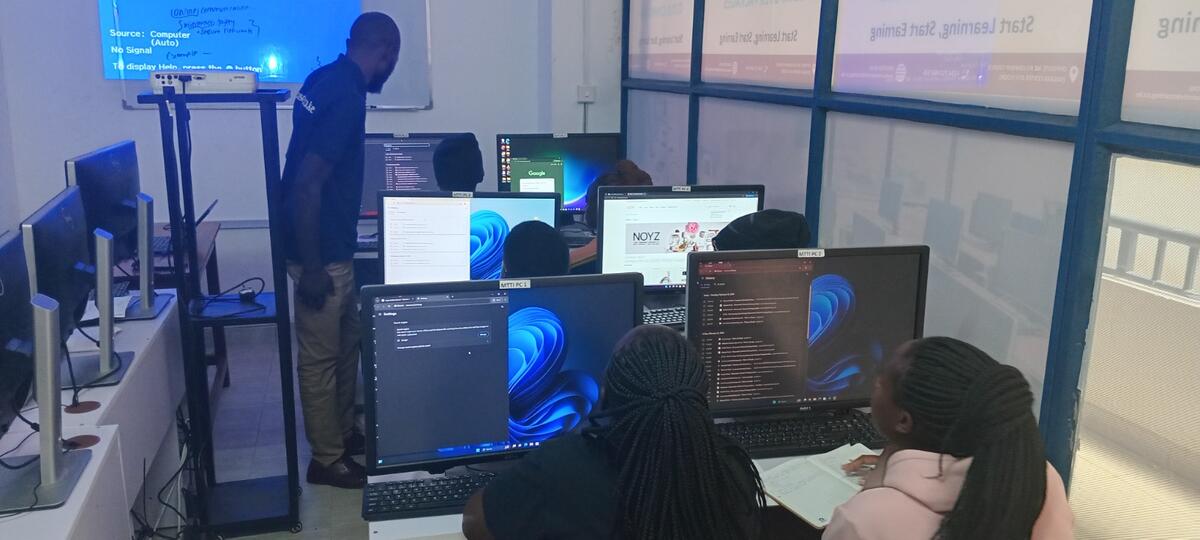
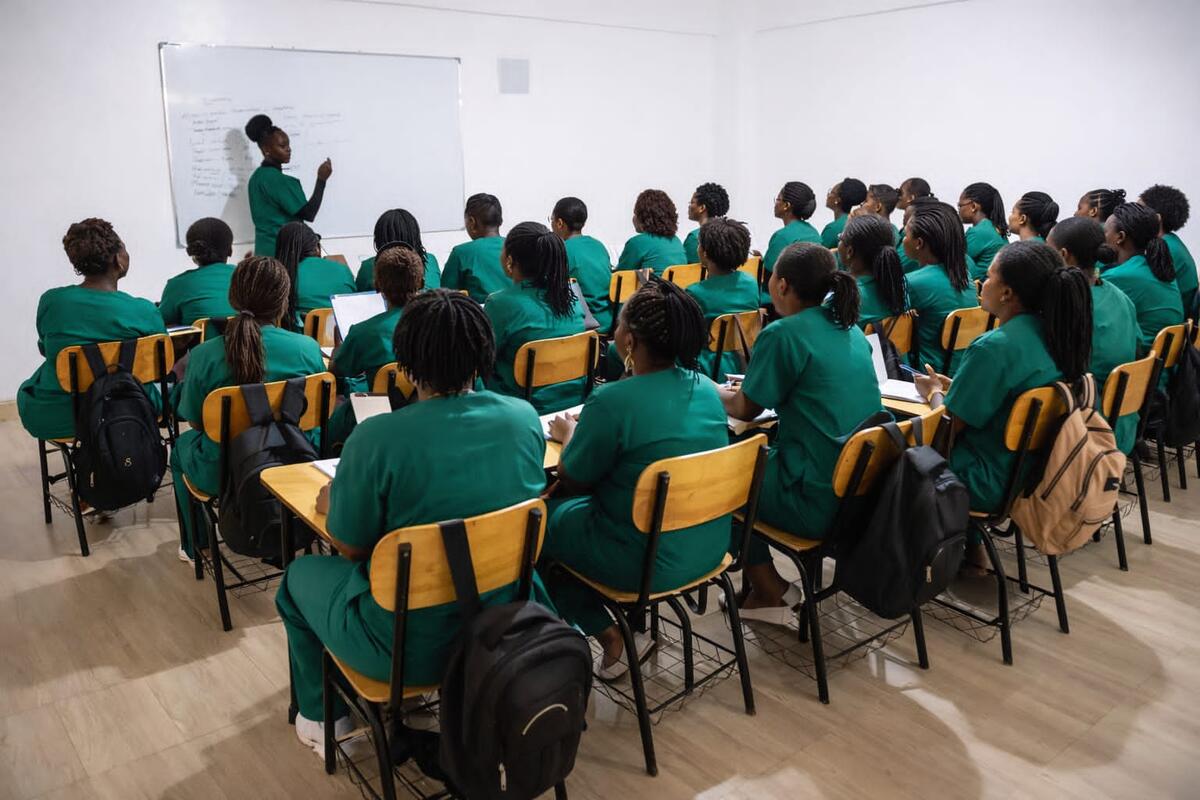
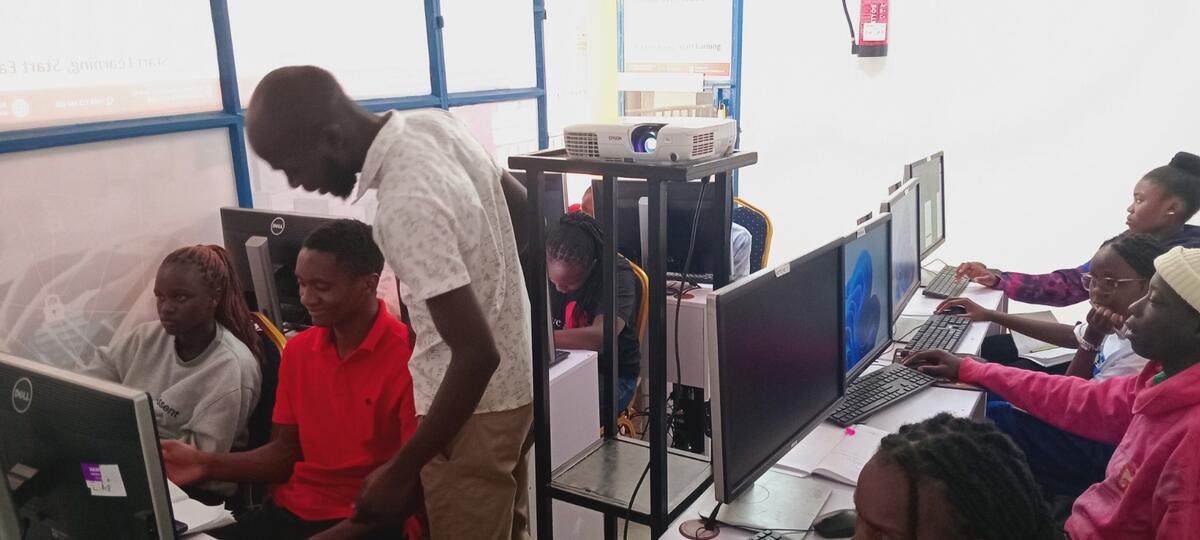
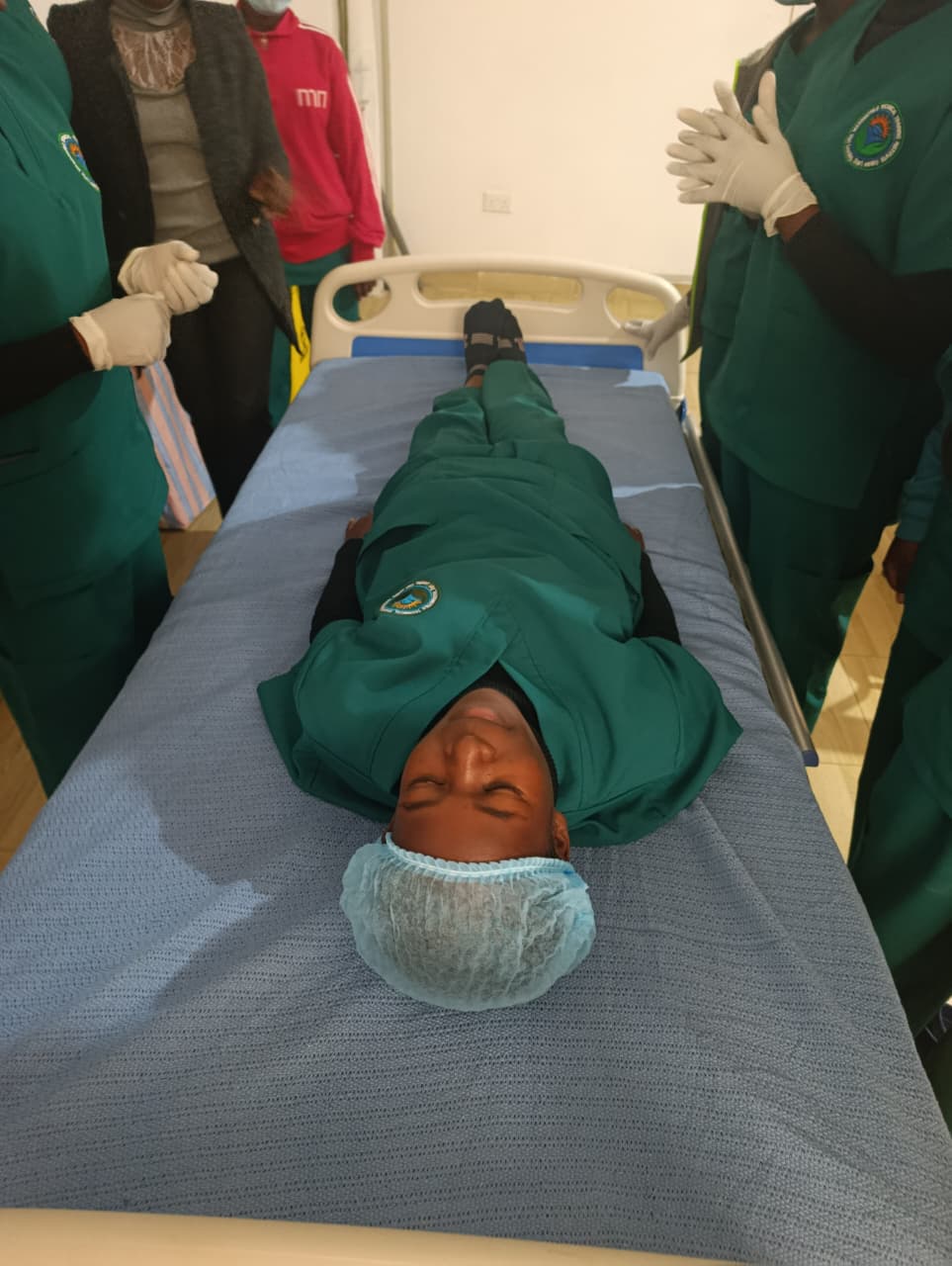
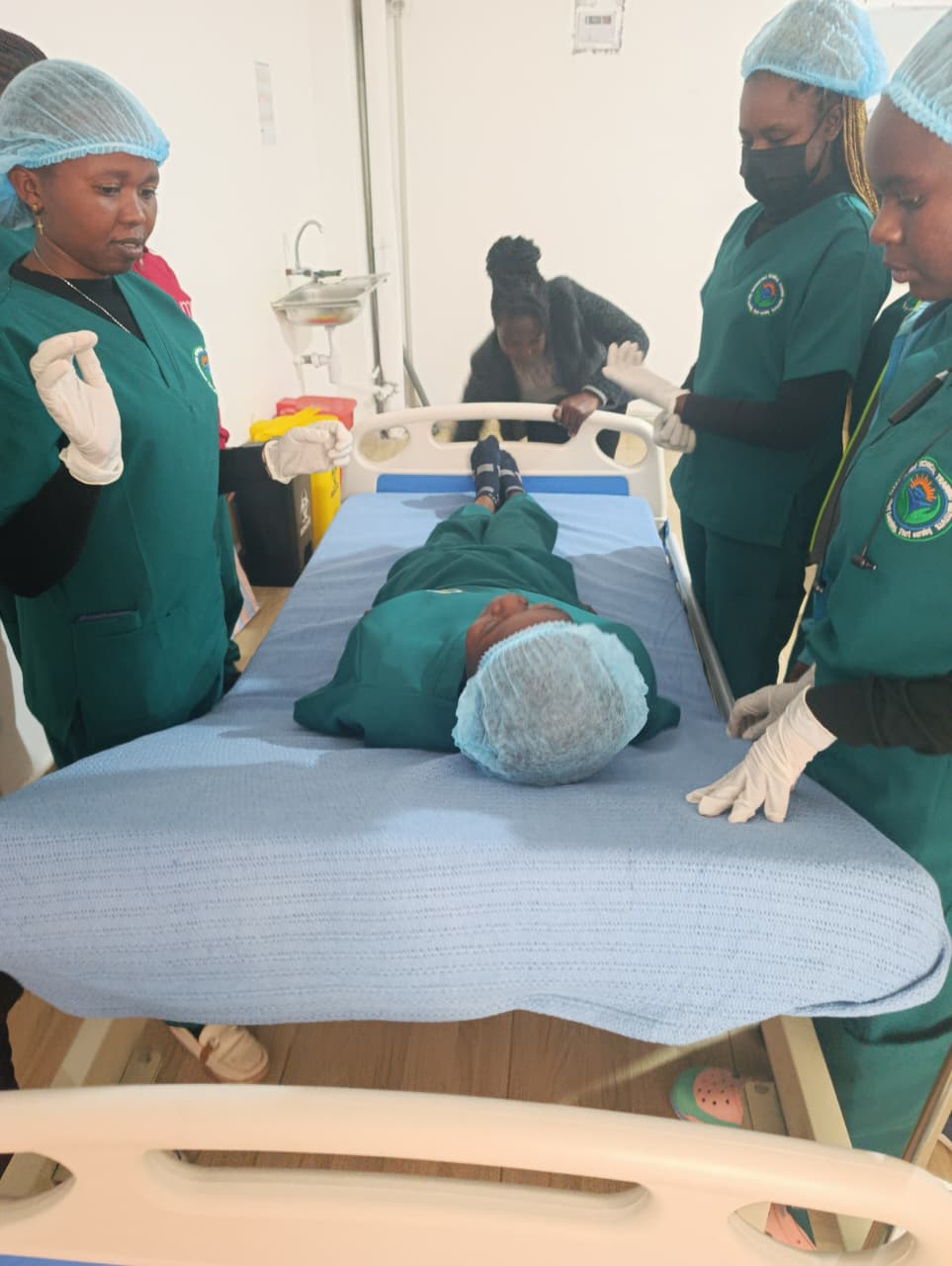
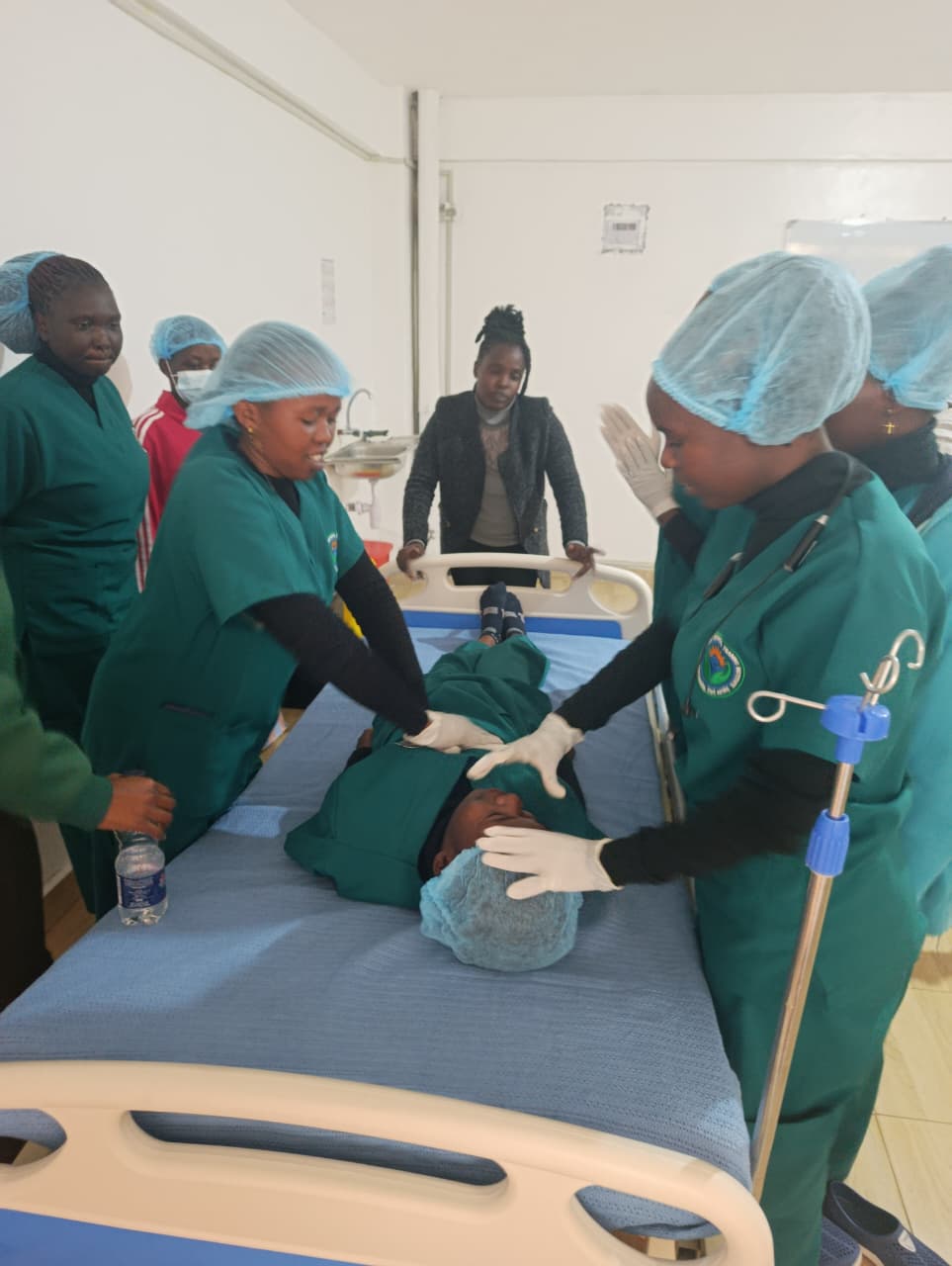
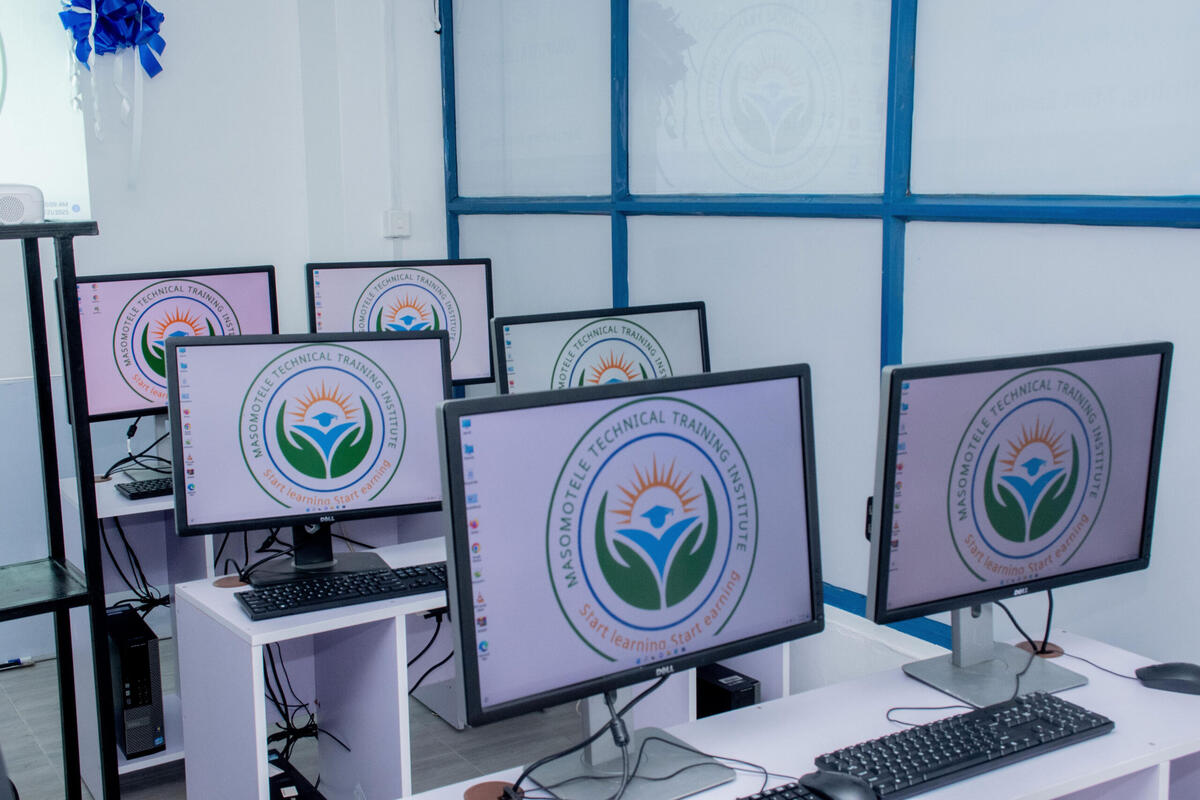
Watch how we transform students into confident, skilled professionals ready for the modern workplace.
Masomotele Technical Training Institute (MTTI) is a government-registered vocational training center in Eldoret, Kenya. We provide practical, affordable, and industry-relevant training that prepares students for the job market or entrepreneurship.
Located at Sagaas Centre, 4th Floor, Eldoret — we're accessible, equipped, and dedicated to your success.
Government-recognized certs employers trust nationwide.
Real projects on industry-standard equipment.
From 2-week crash courses to 8-month professional programs — learn at your own pace.
Experienced professionals passionate about your growth.
Master German language skills at just KES 20,000 per level — the most affordable TVETA-accredited training in Eldoret. Access global job opportunities in healthcare, tech, and business.
⏰ Next intake closes in 3 days • Only 5 spots left
Affordable, industry-relevant training designed to get you employed or self-employed fast.
We're not just a training center — we're your partner in building a successful career.
Quality education at prices everyone can afford. Flexible payment plans available for all courses.
Morning, afternoon, and weekend classes. Learn at your convenience without disrupting your life.
Receive government-accredited certificates recognized and valued by employers nationwide.
Train on current technology and industry-standard software used by professionals today.
Get personalized attention with limited students per class for better learning outcomes.
Job placement assistance and career guidance to help you find opportunities after graduation.
From choosing your course to sitting in your first class — it takes less than 24 hours.
Browse our programs or use the course finder quiz. Not sure? Call or WhatsApp us — our team will guide you to the right fit.
View Courses →Pay a small deposit via M-Pesa, bank transfer, or cash at the office. Full fee can be paid in installments throughout the course.
Inquire Now →Attend your first class at Sagaas Centre, 4th Floor, Eldoret. Morning, afternoon, and weekend slots available to fit your schedule.
Online Admission →Modern labs, dedicated students, and passionate instructors — this is MTTI.
Career tips, tech insights, student stories, and institute updates — straight from MTTI.
Explore career guidance, technical training insights, and student success stories on our full blog.
What students could expect when they train with M.T.T.I.
The web development course changed my life. Within 3 months I got my first freelance client. The instructors were patient and the curriculum was very practical.
I came knowing nothing about computers. The Computer Applications course started from basics — now I'm confidently working as a data entry clerk. Thank you MTTI!
The CCTV installation training was hands-on and comprehensive. I now run my own security systems business. Best investment I ever made!
After CNA training at MTTI, I got employment at Moi Teaching and Referral Hospital. The TVETA certificate opened doors I never imagined. Highly recommended!
→ CNA Certified Nursing Assistant Course in Eldoret (+ FREE German Classes)Our courses range from 2 weeks (Computer Essentials) to 8 weeks for most technical courses like Computer Applications, Graphic Design, Web Design, Cybersecurity, Computer Repair, Networking, and Mobile Phone Repair. AI is 4 weeks, while Healthcare Support Assistant (CNA) is 6 months and German Language runs 6–8 months per level. We have a schedule that fits everyone.
Yes! All our courses come with TVETA-accredited certificates upon completion. These are government-recognized and trusted by employers across Kenya.
We offer morning, afternoon, and weekend classes to accommodate different lifestyles. Contact us and we'll find a schedule that works for you.
Yes, we offer flexible payment plans. You can pay in installments throughout the course duration. Talk to our admissions team for your options.
We're located at Sagaas Centre, 4th Floor, Eldoret, Kenya. Easily accessible by matatu or personal vehicle. Contact us for directions.
Our fees vary by course, from as low as KES 1,500 for short courses to KES 59,000 for comprehensive programs like Healthcare Support (CNA - Certified Nursing Assistant). Download our complete fees structure here for detailed pricing on each course. All courses include TVETA accreditation and flexible payment plans are available.
Affordable, flexible payment plans. Download complete fee details for any course.
Ready to transform your career? Fill in the form and we'll get back to you within 24 hours, or reach us directly below.
We'll contact you within 24 hours.
Complete fee structure & course details sent directly to your WhatsApp — instantly.
🔒 We respect your privacy. No spam, ever.